
Understanding the psychology of gambling why we take risks at the casino
The Allure of Risk: Why We Gamble
Gambling taps into a fundamental aspect of human psychology: the thrill of risk-taking. When individuals step into a casino or log into an online gambling platform, they are often drawn by the prospect of not just winning money but also the excitement that comes with uncertainty. This allure is heavily influenced by the brain’s reward system, which releases dopamine when one anticipates a win, creating a sense of euphoria and making the experience addictive for many. A complete overview can be found through the Richy Fox review.
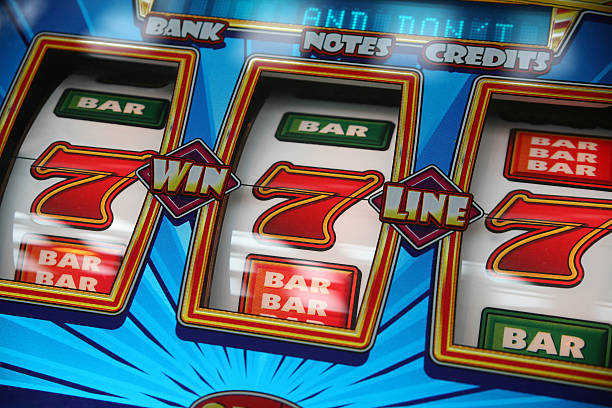
This psychological phenomenon, known as ‘gambling addiction,’ highlights how our minds can play tricks on us. The excitement and adrenaline associated with each roll of the dice or spin of the slot machine can overshadow rational thinking. This leads many gamblers to underestimate the odds of winning, fostering an environment where risk-taking feels less daunting and more exhilarating.
The Role of Cognitive Biases in Gambling
Cognitive biases are mental shortcuts that can lead individuals to make irrational decisions. In gambling, one of the most common biases is the illusion of control, where players believe they can influence the outcome of random games. This belief can encourage players to take larger risks, as they feel empowered by a false sense of control over their fate.
Another prevalent bias is the gambler’s fallacy, which leads people to think that past outcomes affect future results. For example, a player may believe that a slot machine is “due” for a payout after a series of losses, prompting them to continue gambling despite unfavorable odds. These cognitive distortions significantly impact decision-making and risk-taking behavior in gambling environments.
The Social Influence of Gambling
Gambling is not just an individual activity; it is often a social experience. The presence of other players can amplify the excitement and motivate individuals to take risks they might not consider alone. Social interactions in casinos or online platforms create a communal atmosphere that can foster a sense of belonging and shared thrill, pushing individuals to gamble more aggressively.
Moreover, peer influence can shape gambling behaviors. Friends or acquaintances who gamble can normalize high-risk behaviors, leading individuals to increase their own stakes. This social reinforcement can escalate gambling habits, as people are likely to take more risks in environments where such behavior is celebrated or encouraged.
The Emotional Rollercoaster of Gambling
Emotion plays a significant role in gambling decisions. The highs of winning can create euphoric feelings, while losses can lead to feelings of frustration or despair. This emotional rollercoaster can compel individuals to chase losses, a behavior often referred to as “loss chasing.” The desire to recoup lost funds can lead to even riskier bets, perpetuating a cycle of gambling that is hard to break.
Understanding these emotional dynamics is crucial for both gamblers and their loved ones. Recognizing how emotions drive behavior can help individuals gain better control over their gambling habits and make more informed decisions. Awareness can also lead to healthier attitudes towards risk and gambling.

Explore Richy Fox Casino for a Unique Experience
Richy Fox Casino offers an engaging online platform that captures the essence of gambling psychology. With a wide variety of games and enticing bonuses, it caters to both new and experienced players seeking an exhilarating gaming experience. The site provides a mobile-optimized platform, ensuring seamless gameplay and quick transactions.
By understanding the psychological factors that drive gambling behavior, players at Richy Fox Casino can navigate their gaming experiences more wisely. Whether drawn by the thrill of risk or the social aspects of gaming, players can enjoy an unforgettable adventure while remaining aware of their choices.